🧼 1. Daily Routines = Daily Wins
Simple routines help children feel safe and build confidence. Use summer mornings to introduce small responsibilities, like:
- Making their bed
- Brushing teeth independently
- Choosing and putting on their clothes
- Preparing a simple breakfast (hello, cereal and sliced fruit!)
🍳 2. Get Kids Involved in the Kitchen
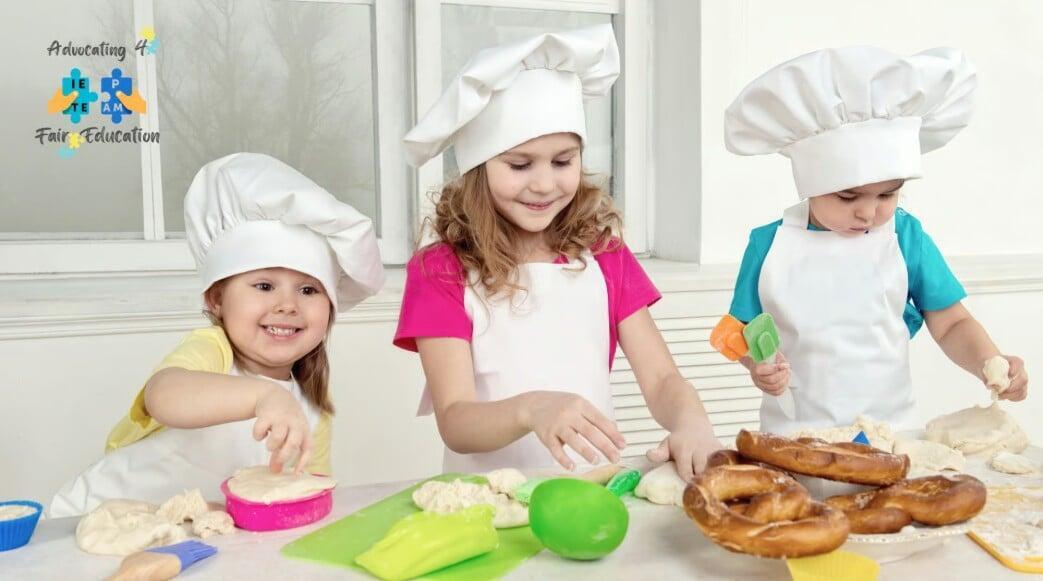
Cooking is more than just a life skill—it’s math, science, reading, and sensory learning all rolled into one. Let your child:
- Measure ingredients (great for math)
- Stir, pour, and set timers
- Pack their own snack or lunch
- Help plan a meal or grocery list
🎉 Make it fun: Have a “Make-Your-Own Pizza Night” or “Smoothie Taste Test” challenge!
🧺 3. Chores That Don’t Feel Like Chores
Yes, kids can learn to clean—without the moaning and groaning. Turn everyday tasks into games:
- Match socks = sorting practice
- Fold towels = fine motor work
- Set the table = sequencing
- Wipe windows = sensory + focus
🪄 Try the “Chore Wheel of Fortune”—a spinner or jar with tasks written on popsicle sticks for surprise fun!
💵 4. Money Skills in Real Life
Even young kids can begin learning how money works. Summer is great for:
- Sorting and counting coins
- Playing “store” with toys or snacks
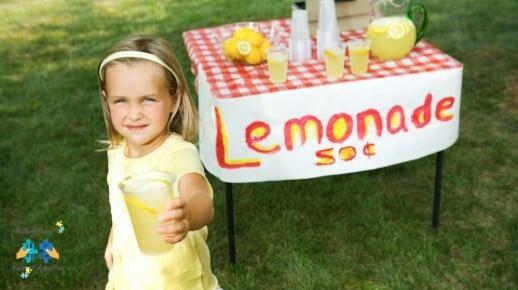
- Using real money to pay at a lemonade stand, yard sale, or farmers’ market
- Earning small allowances and tracking savings
💡 Bonus: Open a summer piggy bank or jar and set a fun goal—like buying a new game or book together.
🗣 5. Social and Communication Skills
- Eye contact and greetings with neighbors or shopkeepers
- Making phone calls (with a script!)
- Asking for help or directions
- Ordering food at a restaurant
☀️ Try this: Let your child “be the host” when a family friend visits—offering a drink, making small talk, or showing them around.
🧠 6. Executive Function Fun
Planning, organizing, and problem-solving are lifelong tools. Build these into:
- Packing for a picnic or day trip
- Creating a simple summer calendar
- Following a recipe or building instructions
- Creating a “morning checklist” or “bedtime routine chart”
🎒 Let your child pack their own bag—with a little guidance—and celebrate what they remembered!
💬 Final Thoughts: Every Moment Counts
Teaching life skills doesn’t mean more pressure or long lectures. It means using everyday summer moments—making breakfast, folding towels, or picking out clothes—as chances to connect, empower, and grow.
It’s not about perfection—it’s about progress.
So go ahead: let your child crack that egg, choose their outfit (even if it’s socks with sandals), and take the lead now and then. You’ll be amazed at how capable they feel—and how much fun you’ll have together.
Additional Resources:
Contact information
Get in touch with us

Want to help your child build lasting independence? We're here to help!
Contact us for expert advocacy support. Our team is ready to assist you with your special education needs and concerns.
Support
support@advocating4faireducation.com