
Introduction to Executive Functioning Disorders
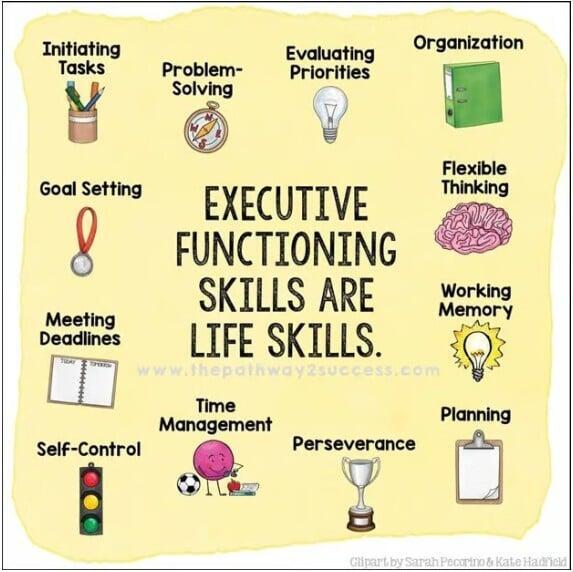
Executive Functioning Disorder (EFD) is akin to the maestro of cognitive abilities, harmonizing tasks like planning, organization, time management, and problem-solving. As children enter the labyrinth of middle and high school, those with EFD might find themselves struggling to keep pace with their peers.
In this exploratory guide, we will traverse the rocky terrain of EFD, offering a beacon of strategies to illuminate the path for parents and educators alike.
The Middle School Transition: Challenges and Strategies
The leap from elementary to middle school can be like stepping into an entirely new cosmos, where students encounter myriad novelties—locker combinations, class rotations, and a new social milieu. For a child with EFD, these changes are like a labyrinth of confusion.
Strategies to ameliorate these challenges include:
• Implementing a meticulous and consistent routine.
• Utilizing visual aids to assist in time management.
• Structuring study time with breaks to prevent cognitive fatigue.
High School Hurdles: Preparing Your Child for Success
High school introduces a new complexity in academic and social demands. To vault over these hurdles, students with EFD often require a lot of support, encompassing both academic accommodations and skill-building techniques. Here are some suggestions on how to foster self-advocacy in your child.
Techniques to Prepare for High School:
• Develop time management skills
• Encourage proactive communication with teachers
• Explore technological tools for organization
• Encouraging and understanding of their disability and helping them self-advocate for support in their disability .
• Establishing an organized and distraction-free study environment.
• Exploring therapeutic methods or academic accommodations.
Parental Support: Best Practices for Home and School Collaboration
The role of the parent is paramount in the educational journey of a child with EFD. We will outline an arsenal of best practices for parental involvement, from establishing a symbiotic relationship with educators to implementing supportive structures at home to reinforce learning.
Tips for Parental Involvement:
• Attend school meetings and advocate for your child's needs
• Work with educators to implement IEP or 504 plans
• Foster a supportive home environment that encourages independence
• Frequent communication with teachers and school counselors.
• Seeking external resources, such as therapists or support groups.
Conclusion: Empowerment Through Education and Advocacy
Our expedition concludes with a rallying cry for empowerment. Navigating the scholastic voyage with EFD is not insurmountable. With the right tools and collaborative effort, students can emerge triumphant, equipped with the skills to conquer academic challenges and flourish in their educational endeavors.
Sources
Contact information
Get in touch with us

Don't wait for your child to drown in missing assignments. Let's build their scaffolding now. We're here to help!
Contact us for expert advocacy support. Our team is ready to assist you with your special education needs and concerns.
Support
support@advocating4faireducation.com