As a special education advocate and a parent myself, I understand the unique challenges and joys of raising a child with special needs. Every child, regardless of their abilities, deserves an education that not only meets their academic needs but also nurtures their social and emotional well-being. Inclusive education is more than just a buzzword; it's a commitment to providing every child with the tools and opportunities they need to thrive in their least restrictive environment.
What is Inclusive Education?
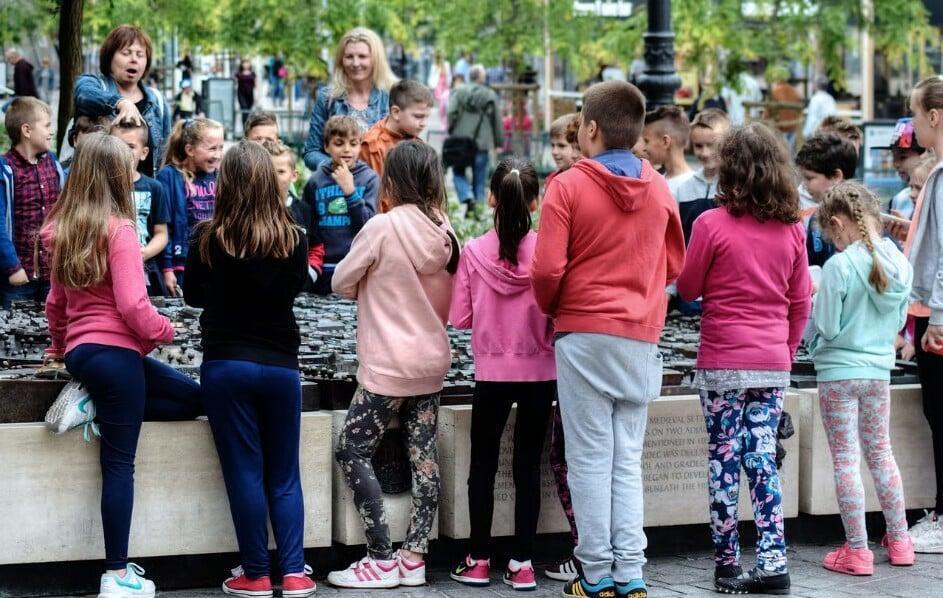
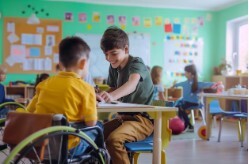
Inclusive education means that all children, when possible, regardless of their physical, intellectual, social, or emotional abilities, learn together in the same classrooms. It's about breaking down barriers and allow for the most successful opportunity for growth.
Why Inclusive Education Matters
- Equal Opportunities: Every child has the right to education. Inclusive education ensures that children with special needs have the same access to learning as their peers.
- Social Integration: Being in an inclusive environment helps children with special needs develop social skills and build friendships with peers. This integration is essential for their emotional and social development.
- Building Confidence: When children with special needs are included in mainstream classrooms, it sends a powerful message—they belong. This boosts their self-esteem and confidence.
- Tailored Support: Inclusive education isn't about treating every child the same. It's about recognizing each child's unique needs and providing the appropriate support to help them succeed.
- Grow Peers: General education peers also grow their social skills, tolerance, and collaboration when special education peers are included in their classroom.
How Parents Can Advocate for Inclusion
You play a crucial role in advocating for your child's education. Here are some ways you can support your child’s inclusion in the classroom:
- Collaborate with Educators: Build a strong relationship with your child’s teachers and school staff. Regular communication ensures that everyone is on the same page and working towards the same goals.
- Know Your Rights: Familiarize yourself with the laws and regulations surrounding special education in your state and district. This knowledge empowers you to advocate effectively for your child's needs. – No really, look up your district policies, print it out and take it to the next IEP meeting. It is powerful to use the words of the district supporting your child when in the meeting.
- IEP placement: When talking about placement in the IEP meetings, be specific. What will the day look like? How much time will your child spend in the special education room, and how much time will be spent in the genearl education classroom?
- Encourage Peer Interaction: Advocate for opportunities where your child can interact with their peers, both in and out of the classroom. This might include group projects, extracurricular activities, or playdates.
- Stay Involved: Attend school meetings, volunteer in the classroom, and stay informed about your child's progress. Your involvement shows that you are committed to their education and well-being.
Questions to ask:
When deciding on the placement for your child ask a few questions:
- Can my child be included in less demanding tasks in the classroom? - story time? Morning meeting? Art? PE? Music? Library? Math Minutes? Computer/robotics? Recess? Lunch?
- Could my child be successful in the general education classroom if they were properly supported by staff? NOTE: It is not important if the school has the staff to answer this question, the question is COULD THEY?
- Would being in a general education classroom provide positive role models to my child that they would benefit from even if the academics are a struggle?
The Future of Inclusive Education
Inclusive education is an ongoing journey. As we move forward, it’s crucial to continue advocating for better resources, training, and policies that support all children. By working together—parents, educators, and the community—we can create a world where every child, regardless of their abilities, can learn, grow, and succeed.
Final Thoughts
As parents of children with special needs, your voice is powerful. Inclusive education is not just about fitting children into existing systems; it’s about transforming those systems to meet the diverse needs of all learners. Together, we can ensure that every child has the opportunity to reach their full potential.
Remember, you are not alone in this journey. There are communities, resources, and advocates ready to support you and your child every step of the way. Let’s continue to work towards a more inclusive, equitable, and supportive education system for all children.
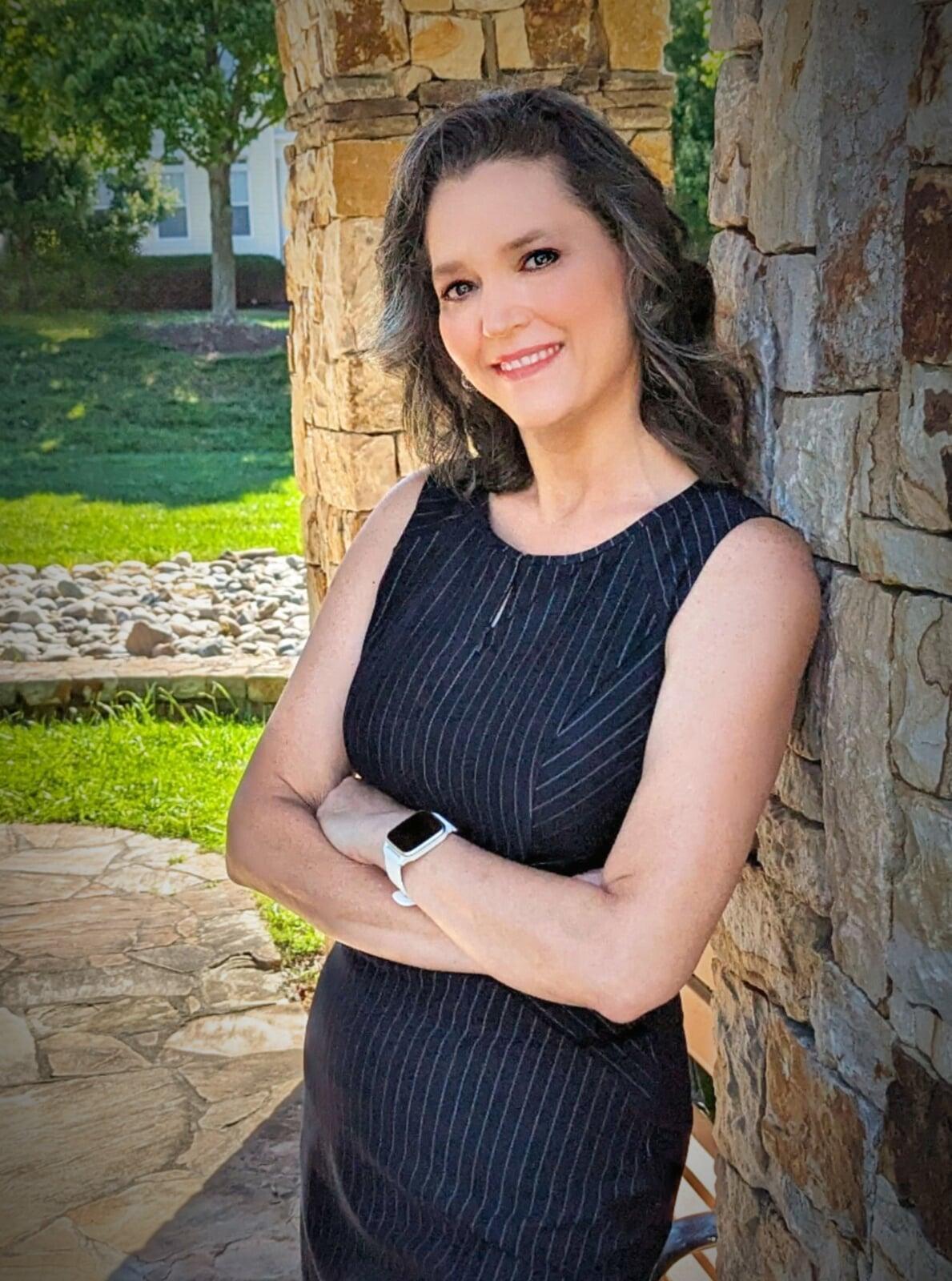
Meet the Advocate, Lisa Stewart M.Ed
Hi, I’m Lisa and I’m dyslexic. I tell you this for a few reasons, I hope it will afford me some grace when you find the inevitable misspellings, I hope it will help you to understand that I “get it” when it comes to struggling in school, and it is important for me to feel no shame in my identity as a dyslexic.
I am the mother of 3 children. All of my children are amazing people. But, because my youngest needs so much support, I had to learn to navigate the world of SPED support. Eli has made me a better teacher, a better mother, and has given me a desire to help other that are trying to navigate the tightrope of IEP support as well.
After years of navigating this process and advocating for other families, I realized how helpful it can be to have guidance along the way. If you need support navigating the special education process, click the link below to schedule a time to talk with me, and I’d be happy to help.
References
- UNESCO. (2017). A guide for ensuring inclusion and equity in education
- UNICEF. (2012). The right of children with disabilities to education: A rights-based approach to inclusive education.
- Global Partnership for Education. (2018). Disability and inclusive education: A stocktake of education sector plans and GPE-funded grants.
- Understood.com
- Think Inclusive
- Include Me
Contact information
Get in touch with us
True inclusion is about belonging, not just a seat in the back of the room. Let's build their strategy. We're here to help!
Contact us for expert advocacy support. Our team is ready to assist you with your special education needs and concerns.
Support
support@advocating4faireducation.com