
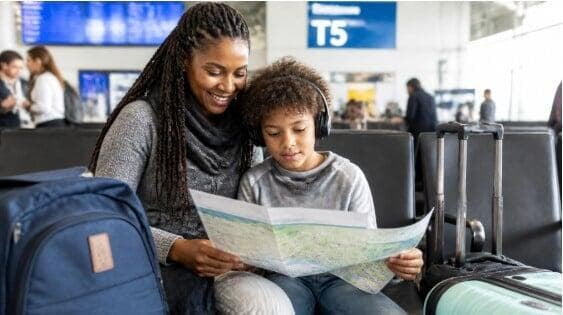
I’ve been there. The mere thought of packing a suitcase, navigating a crowded airport, or sitting in a car for six hours makes your heart race. When you have a child with sensory processing needs, ADHD, or autism, "vacation" often feels like just another word for "parenting in a place with fewer resources and more triggers."
For years, I stayed home. I was afraid of the meltdowns, the "picky" eating struggles in unfamiliar restaurants, and the sheer exhaustion of managing sensory overload in a world that isn't built for our kids. But here’s what I’ve learned: Travel with sensory kids is not only possible, it can be wonderful.
It won’t look like a glossy travel brochure. It might involve noise-canceling headphones, a suitcase full of familiar snacks, and a much slower pace. But the memories? They are worth every bit of extra planning.
Inspired by some of the best advice from the neurodivergent community, here are my eight tips for successful, sensory-friendly family travel.
You don’t have to start with a cross-country flight to Disney. In fact, please don’t! Just like we scaffold learning in an IEP, we need to scaffold travel.
Start with a "staycation" or a local day trip. Visit a nearby museum, take a short train ride, or spend one night at a hotel thirty minutes away. This helps you identify triggers: does the hotel air conditioner hum too loudly? Does the car seat get too hot?: without the high stakes of a thousand-dollar vacation.
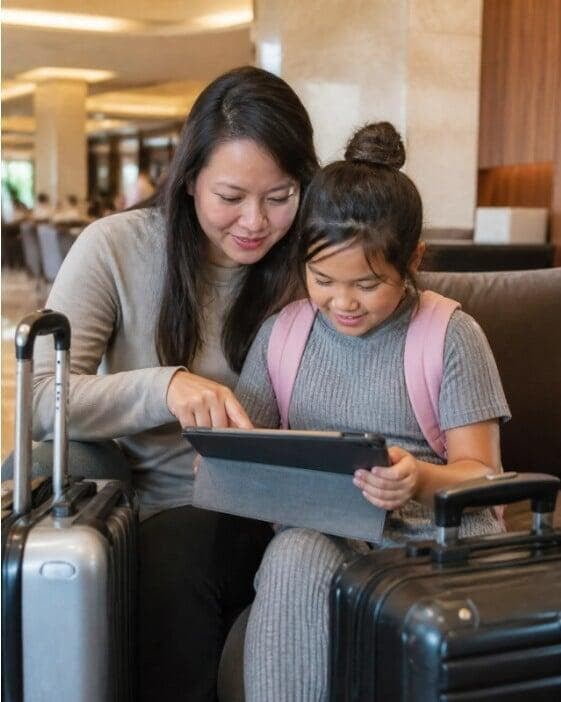
Our kids often feel like life is something that happens to them rather than something they are a part of. To get buy-in, involve them in the planning.
Give them two or three "parent-approved" options for a destination or an activity. "Would you rather go to the park with the big splash pad or the museum with the dinosaur bones?" When they choose, they have skin in the game. They aren't being dragged along; they are on their vacation.
For a child with sensory concerns, the unknown is a threat. Use visual schedules and social stories to walk them through the day.
- Photos are your friends: Show them pictures of the hotel room, the airplane cabin, or the beach.
- The Schedule: Create a simple visual timeline. "First, we wait in line. Then, we sit on the plane. Then, we get a snack."
- The "Why": Explain why things happen (like security checks) so they don't feel like they're losing control.
This is your survival bag. It should be within arm's reach at all times: not buried in the trunk or an overhead bin.
Your kit might include:
- Noise-canceling headphones or earplugs.
- Familiar textures: A favorite soft blanket or a weighted lap pad.
- Fidgets: Anything that keeps hands busy and brains regulated.
- Chewies: For those who need oral input to stay calm.
- Sunglasses and hats: To block out harsh terminal lights or the bright sun.
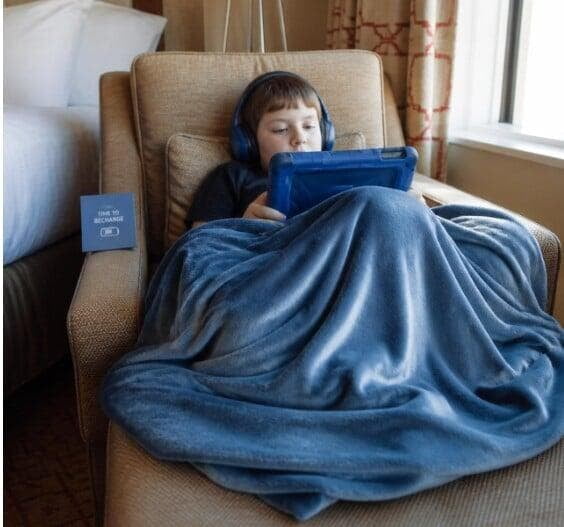
The biggest mistake we make is trying to "do it all." If you try to hit three monuments, two museums, and a fancy dinner in one day, someone will melt down (and it might be you!).
Follow the One Big Thing Rule: Plan one main activity per day. Spend the rest of the time at the hotel pool, a quiet park, or just decompressing with a movie. Regulation is more important than sightseeing.
Unfamiliar food and scratchy hotel sheets can derail a trip fast.
- Bring the "Safe" Foods: Pack a supply of the snacks and meals you know they’ll eat.
- Kitchenettes are Key: Whenever possible, book a room with a fridge and microwave.
- The "Home" Smell: Bring their pillowcase from home or use the same laundry detergent for their travel clothes. Those small sensory anchors tell their nervous system, "You're safe."
Keep those hands busy! Boredom often leads to sensory seeking (which can look like kicking the seat in front of them).
- Travel Trays: A flat surface for LEGOs, coloring, or playdough.
- New-to-Them Toys: Wrap a few small, cheap toys from the dollar store. The novelty of unwrapping them can buy you 20 minutes of peace.
- Audiobooks: A great way to engage the brain without the eye strain of a screen during a long car ride.
Things will go wrong. There will be a missed flight, a spilled juice box, or a sensory overload in the middle of a theme park. It’s okay.
When it happens, take a breath. Remind yourself that your child isn't giving you a hard time; they are having a hard time. If you have to leave an event early or skip a "must-see" spot to keep everyone regulated, you haven't failed. You're being the advocate your child needs.
You’ve Got This!
Traveling with neurodivergent kids requires a different kind of "itinerary," one built on patience, preparation, and a whole lot of snacks. But seeing your child experience the world: on their own terms: is a victory worth celebrating.
If you’re feeling overwhelmed by the upcoming school year or need help navigating your child’s IEP to ensure they get the support they need to thrive (even when you're not on vacation!), I'm here for you.
Working together, we can make sure your child has the tools they need to succeed both in the classroom and out in the world.
Resources
- Our IEP Parent Workbook – Get prepared for the school year.
- Sensory Accommodations in School – How to bring these travel wins into the classroom.
- Collaborative Advocacy Services – Let me take the burden off your shoulders.
- CHADD: ADHD Family Travel Tips – More great advice from the community.
Contact information
Get in touch with us

Need IEP assistance? We're here to help!
Contact us for expert advocacy support. Our team is ready to assist you with your special education needs and concerns.
Support
support@advocating4faireducaiton.com