Special Education is a Team Effort
Understanding the Legal Framework
The Individuals with Disabilities Education Act (IDEA) does not explicitly require ongoing communication between teachers and parents. Probably because when it was passed in 1975 congress could not imagine a school trying to limit communication with a parent. However, IDEA guarantees parents and their children with disabilities various legal rights, known as "Procedural Safeguards." These safeguards emphasize the importance of parental participation, highlighting parents' role as mandatory members of the IEP Team. While IDEA focuses on parental participation in the development of the IEP, it does not specifically address daily, ongoing communication with the school.
Enter ESSA:
In 2017, Congress passed the Every Student Succeeds Act (ESSA), amending the No Child Left Behind Act (NCLB). ESSA emphasizes the need for parents to participate in regular, two-way, and meaningful communication involving student academic learning and other school activities. It recognizes parents as integral partners in their children's education and encourages their active involvement. You can find 20 US Code Section 6318 - Parent and Family Engagment, here.
Making Two-Way Ongoing Communication a Part of the IEP:
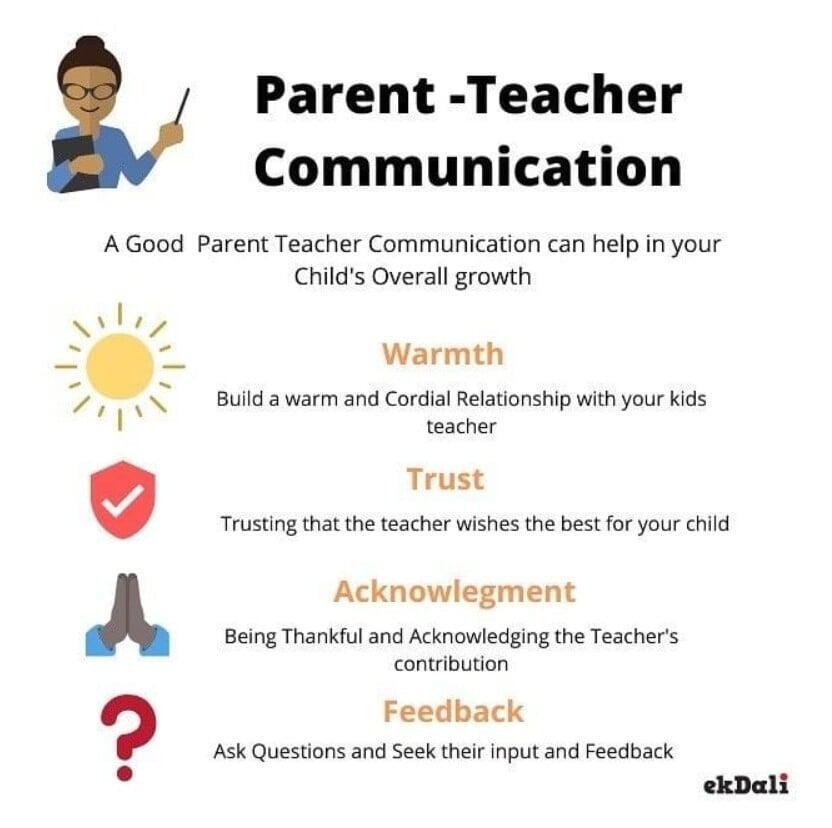
Since Congress deemed effective communication so important that it was enshrined in ESSA, it is crucial for parents to advocate for this accommodation to be included in their child's IEP. By referencing the law and presenting their case during the IEP meeting, parents can firmly assert their right to ongoing dialogue with teachers. However, it's important to exercise this right responsibly, being mindful of teachers' time and workload. Reasonable, respectful communication ensures a productive and efficient partnership between parents and teachers.
Conclusion:
Promoting effective communication between teachers and parents is not only common sense but also a legal obligation outlined in ESSA. I encourage parents to be proactive in asserting their rights to ongoing communication as an accommodation in their child's IEP. By working together, parents and teachers can create an inclusive educational environment that supports the unique needs of students with disabilities. Remember, it is not just common sense anymore, it is the law.
Contact information
Get in touch with us

Ensure your voice is heard. Let's make communication a priority in your next IEP meeting. We're here to help!
Contact us for expert advocacy support. Our team is ready to assist you with your special education needs and concerns.
Support
support@advocating4faireducation.com